Software Engineer, Rome, Italy

LucianMedrihan

Code that actually ships, from satellite imagery pipelines to the games in your pocket.

5+ years building GIS and AI systems that run in production. The rest of my time goes into what I love: hunting vulnerabilities, shipping apps and building open-source tools.

scroll to come down

1about me

Engineer by trade, hacker by origin.

Portrait of Lucian Medrihan

Lucian MedrihanSoftware Engineer · Rome, Italy

I'm Lucian, a software engineer with 5+ years building production systems: GIS platforms, management systems, and machine-learning work on satellite imagery and LLMs.

It started at 12, poking at things with BackTrack to see how they break. That curiosity became a degree in Computer and Automation Engineering at Sapienza and a CTF team I co-founded, and it never switched off.

My free time still goes where the fun is. I do bug bounty because I enjoy it, with findings rated up to CVSS 10.0, reported privately and on other platforms, and these days on CyberDart. And I build the ideas I can't leave alone: games on the App Store and Google Play, open-source tools with their own communities, even an emulator.

5+ yrsbuilding GIS and AI systems that run in production
Bug hunterbug bounty in my free time, with findings up to CVSS 10.0, reported privately and on other platforms; now active on CyberDart
Every monthfresh 1 m satellite imagery: 36 updates for ≈ €18k, instead of one 30 cm orthophoto every three years for ≈ €4M
Google Workshopwinner with UniverCity, presented at Google Tel Aviv

Day to day

  • Python
  • FastAPI
  • Flask
  • Node.js
  • React
  • Angular
  • TypeScript
  • Tailwind CSS
  • OpenLayers
  • GeoPandas

Infrastructure & AI

  • AWS
  • Google Cloud Vertex AI
  • Docker
  • Linux
  • LLM agents
  • Image segmentation

In side projects

  • Kotlin + Compose
  • Rust → WebAssembly
  • C++ on ESP32
  • Capacitor
  • Firebase
  • GitHub Actions

2the day job

Where I've worked.

  1. Jun 2025 — Present · Rome, Italy

    Software Engineer @ PR.EL.CART. Europe Engineering

    • Built management systems for logistics and plant maintenance, integrating SCADA sensor data into a 24/7 control room that monitors production and transport.
    • Leading 3 junior developers: code reviews, technical guidance on architecture, and planning and delegating the work.
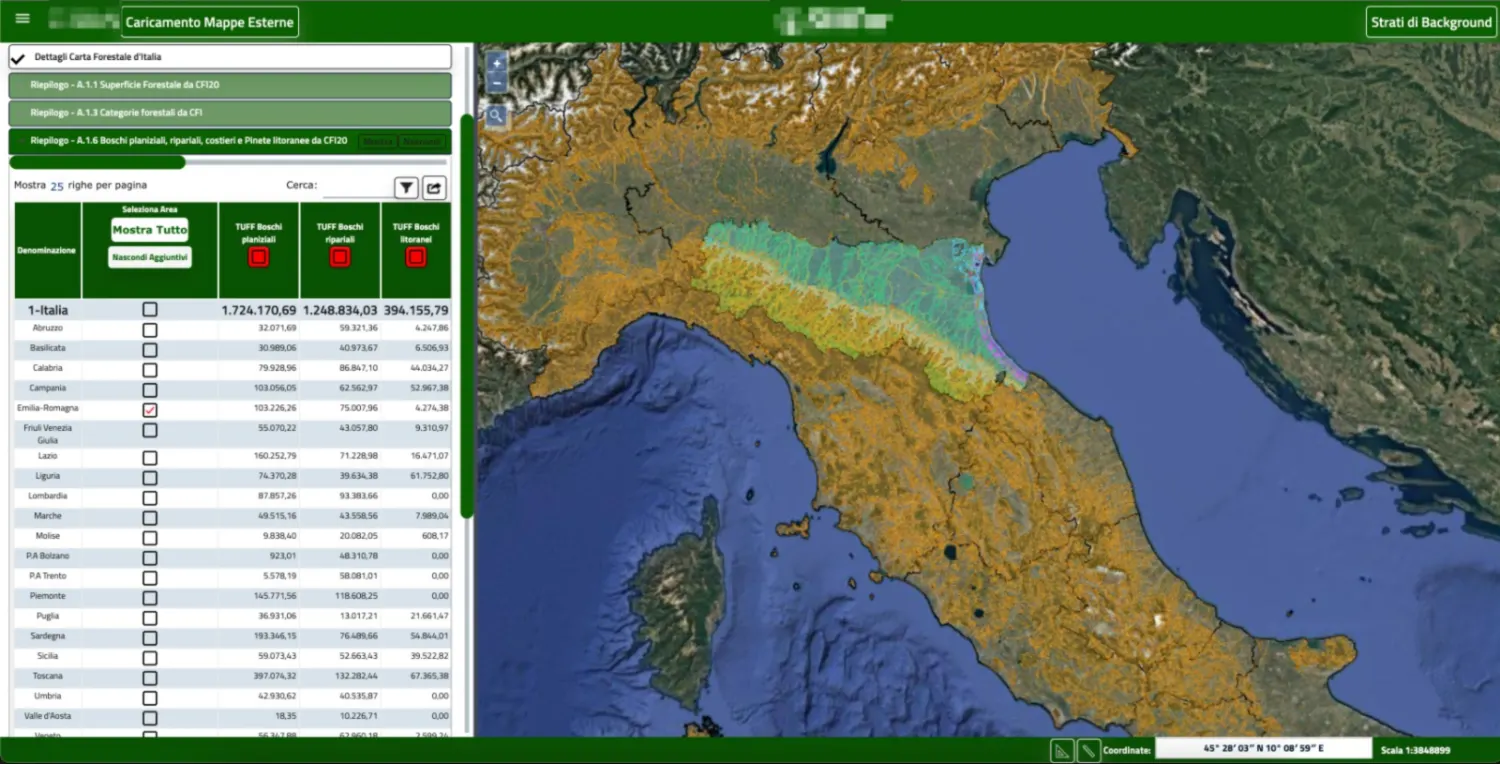
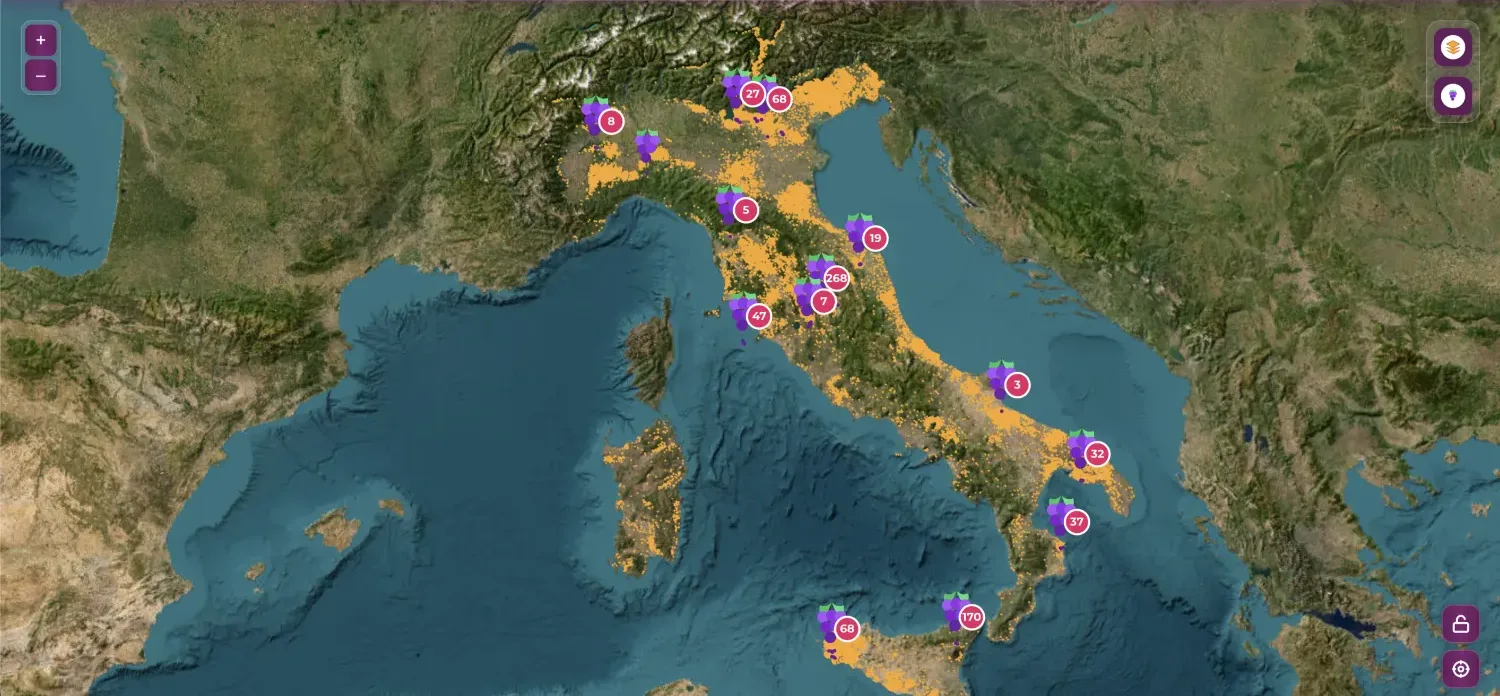
    • Independently developed a web app for Vinitaly 2026, using PMTiles to show every plot of land in Italy.
    • Built a pipeline on Google Cloud Vertex AI that selects the best Sentinel⁠-⁠2 scenes every month and upscales them to 1 m with a super-resolution model: 36 monthly updates for about €18k, instead of one 30 cm orthophoto every three years for about €4M.
  2. Oct 2019 — Jun 2025 · Rome, Italy

    Software Engineer @ Tiuke

    • Developed 5+ web and mobile applications for agriculture, serving over 10,000 active users.
    • Implemented specialised LLM agents for agricultural data extraction, reaching 95% accuracy on held-out validation data.
    • Improved training of geospatial segmentation models, raising parcel detection precision by 20% on validation data.
    • Wrote batch pipelines that process terabytes of geospatial data, halving execution time.

3the fun part

Things I've built.

A few for work, most because I couldn't leave the idea alone. Apps on the stores, open-source tools, and one thing that is still booting.

1Active · v0.1.15

Open source · Security research

Brucia

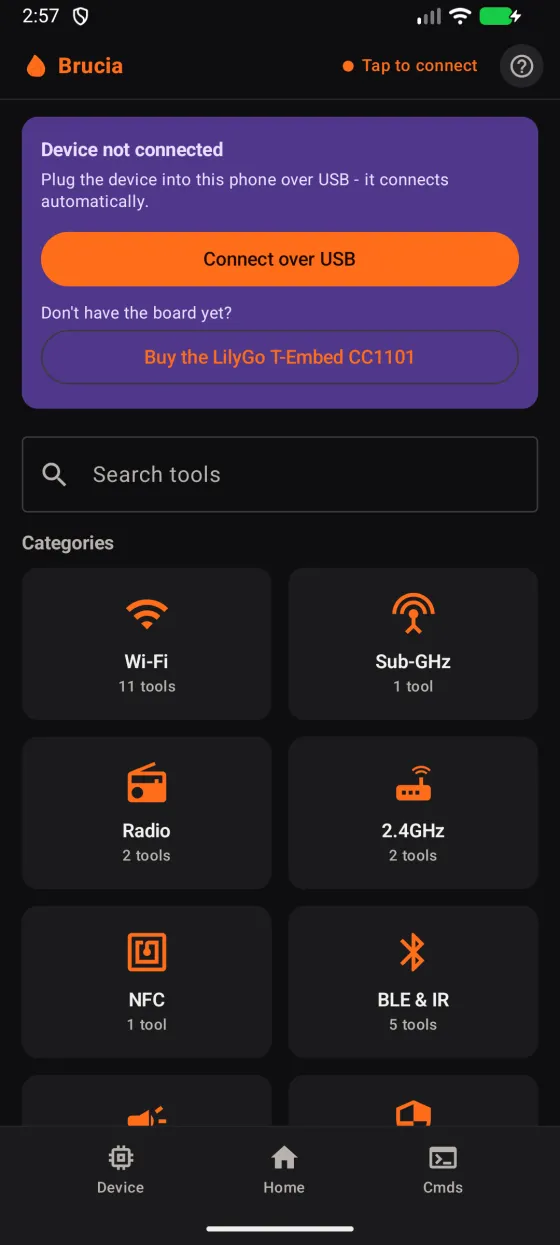
A €50 board and the phone in your pocket, turned into a full security-research kit. A LilyGO T⁠-⁠Embed CC1101 handles the radios (Wi⁠-⁠Fi, BLE, Sub⁠-⁠GHz, infrared, NFC) over one USB cable, and the phone you already own brings the compute, the storage, the GPS and the screen. The phone is the brain, the ESP32 is the antenna.

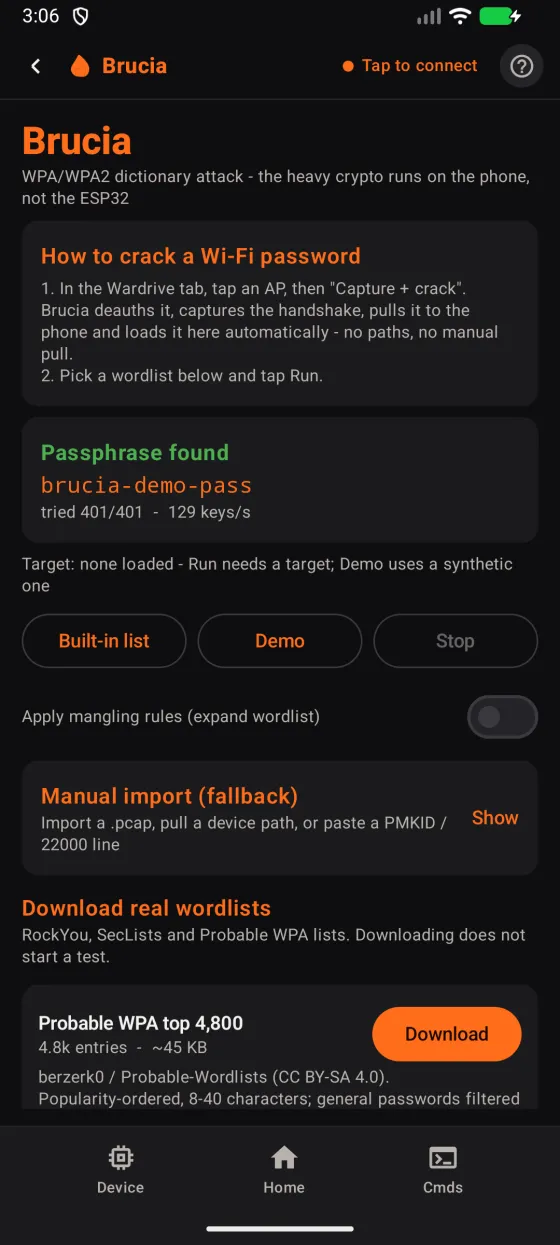
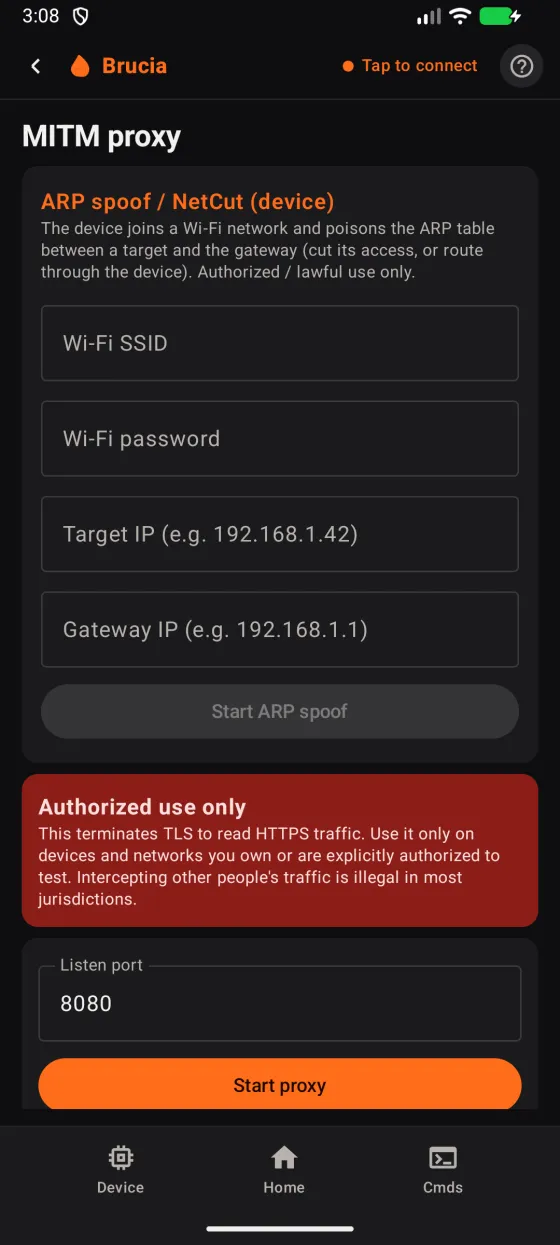
Wi⁠-⁠Fi tests you would not even think of running on a Flipper Zero or on Bruce. Handshakes and PMKIDs captured by the board get their WPA/WPA2 dictionary checks on the phone's CPU. Monitor-mode captures open as PCAPs with packet and protocol detail, and a lab HTTP/HTTPS inspection proxy runs on the phone with a proper interface.

GPS wardriving, with the GPS you already carry. The phone tags every access point with its position, removes duplicates, names the vendor and draws tracks and markers on an offline map, then exports to WiGLE, KML or GPX. On Sub⁠-⁠GHz it plans De Bruijn sweeps, the shortest sequence that contains every fixed code, and sends them to the radio in bursts.

A native Kotlin app on top of Bruce-derived firmware, for authorized testing only. Every release ships a web flasher, a wiki and prebuilt firmware for dozens of boards.

Wi-Fi
tests beyond a Flipper or Bruce
GPS
wardriving on offline maps
De Bruijn
sweeps planned on the phone
  • Kotlin
  • Jetpack Compose
  • C++ on ESP32
  • PlatformIO
  • AGPL-3.0
2On the stores

iOS & Android · Word game

Parolix

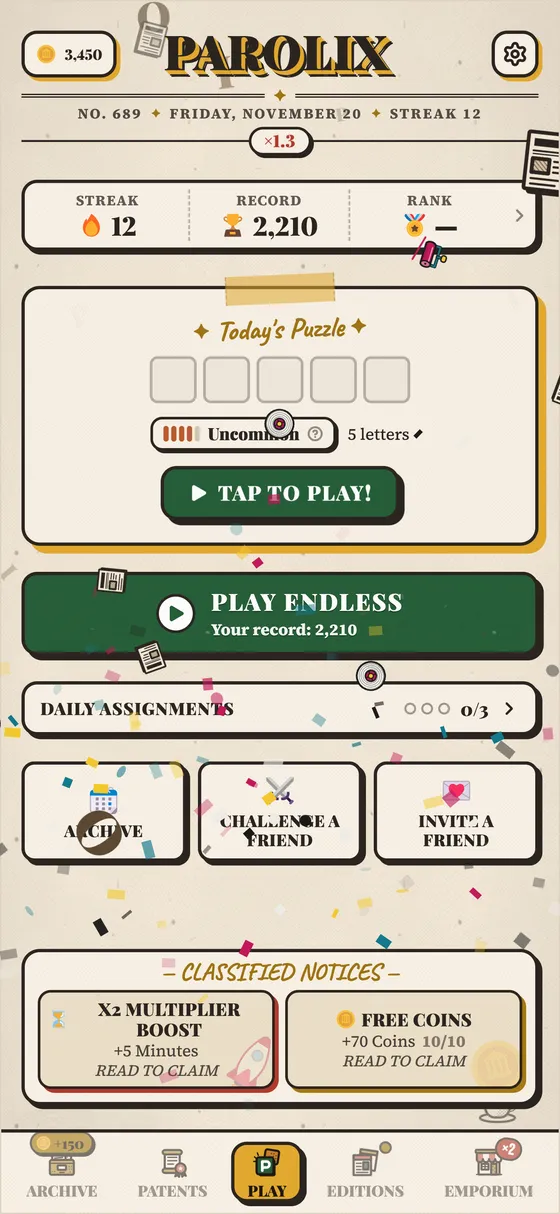
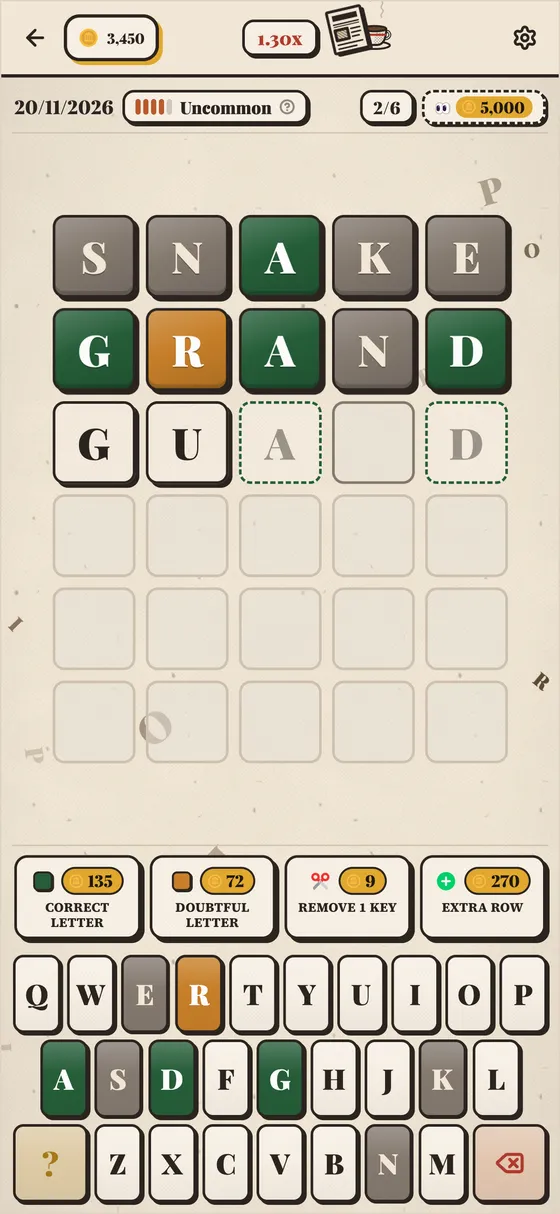
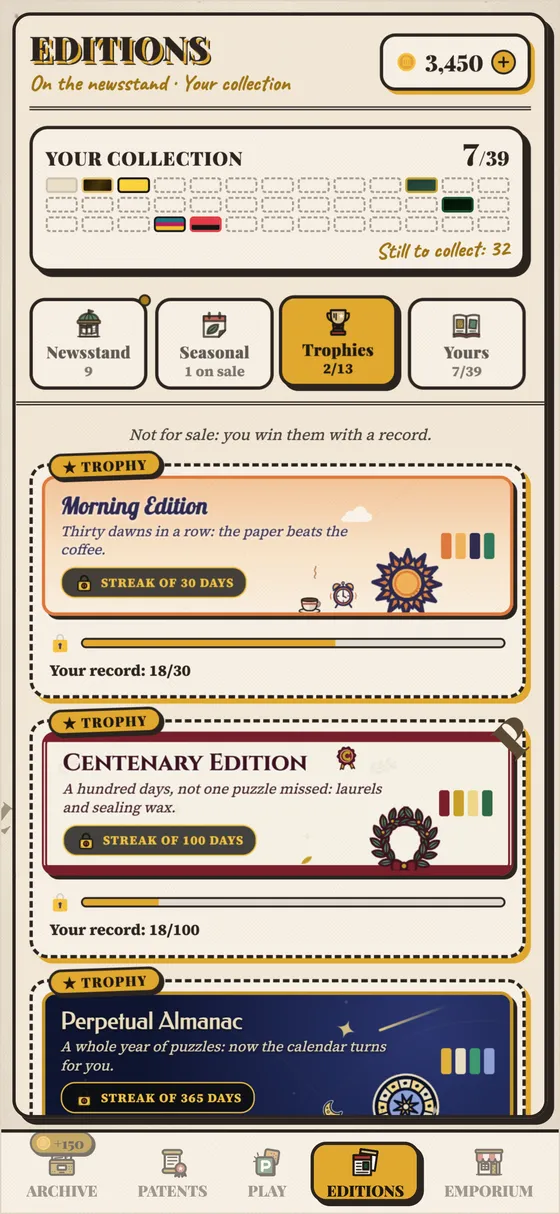
A vintage-newspaper word puzzle in 17 languages: daily riddles, endless runs, 32 living editions (each with its own animated scene, six of them earned only through streak and score milestones) and one world leaderboard with weekly prizes. Under the hood the backend is built to cost next to nothing: cloud saves are signed with SHA-256 in a 10-slot ring at one read and one write per session, and the leaderboard is static JSON that CI rebuilds every hour, so reading it never touches the database.

It also markets itself. A GitHub Actions pipeline scripts an episode, plays it in headless Chromium on virtual time (frame-perfect 60 fps on a runner with no GPU), edits it with ffmpeg and schedules it on YouTube Shorts at each language's peak hour, rotating eight formats (commented game, guess-it countdown, real-or-fake, anagram, edition showcase, word meaning, endless run, shareable front page). 100+ Shorts published so far, hands-off.

17
languages
100+
auto-published Shorts
  • React 19
  • TypeScript
  • Capacitor
  • Firebase
  • Playwright
  • GitHub Actions
3Live

Live product · Link-in-bio, ranked

im.center

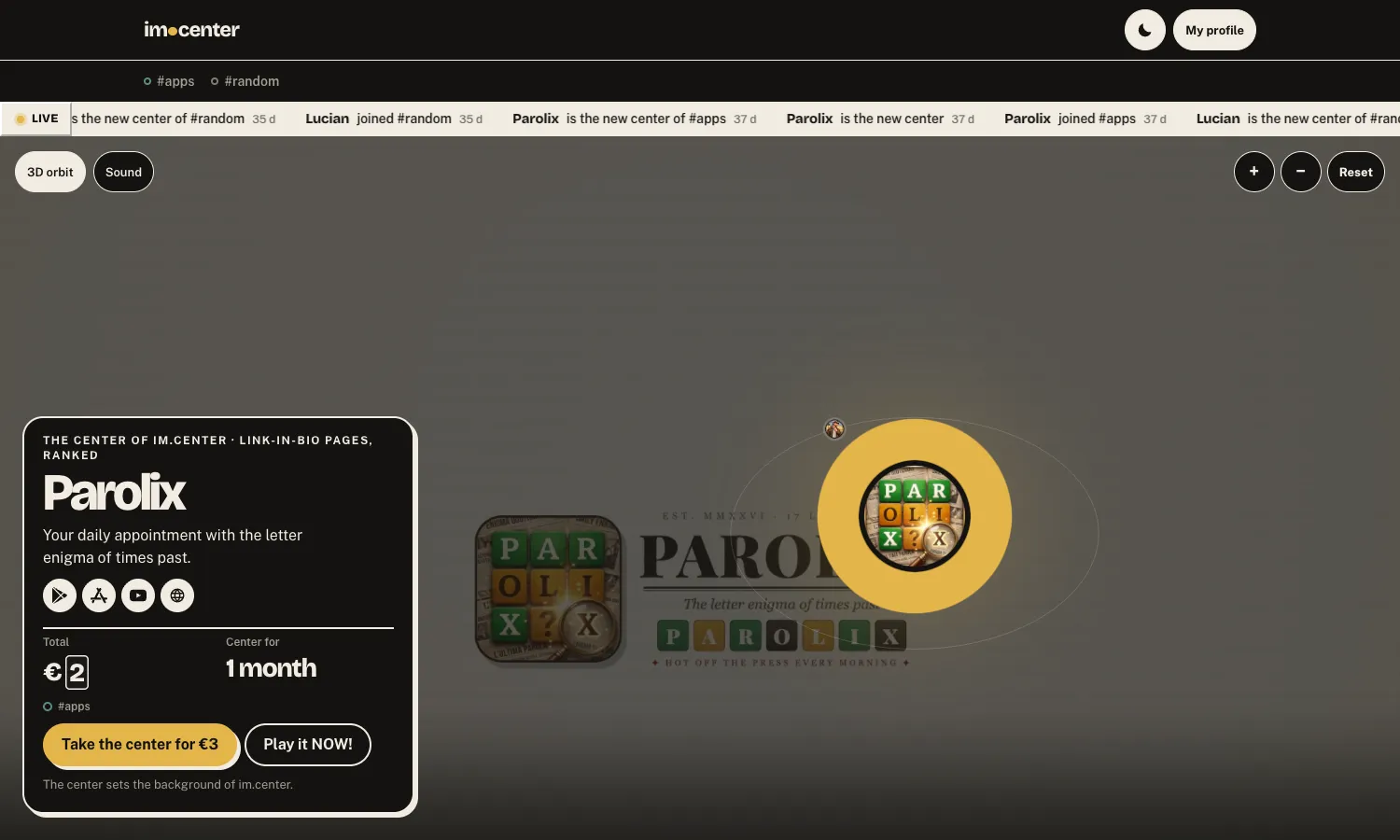
A link-in-bio page that is also a game. Every profile is a fast page for your links at im.center/handle, and every profile sits on a public leaderboard where rank is openly bought, not earned. The highest total is the centre: its photo becomes the sun of the home page, each tag has a centre of its own, and a hall of fame remembers them all.

It is engineered to run on Cloudflare's free tier: pages are pre-rendered snapshots in R2 behind the edge cache, rebuilt in cost-budgeted chunks that stay under a Worker's 10 ms of CPU. Around that sit Stripe payments with automated dispute evidence, cookieless stats, usage alerts over Telegram, and backups with restore drills.

€2
once, for a page
10 ms
CPU budget per request
  • Cloudflare Workers
  • Hono
  • D1
  • R2
  • Stripe
  • three.js
  • TypeScript
4On the stores

iOS & Android · Party game

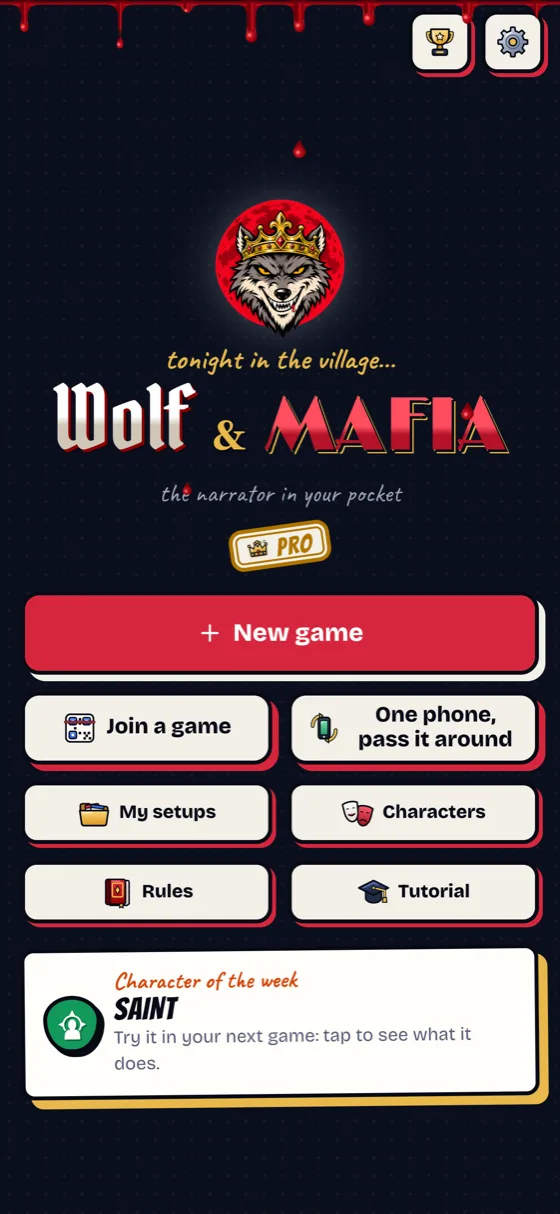
Wolf & Mafia

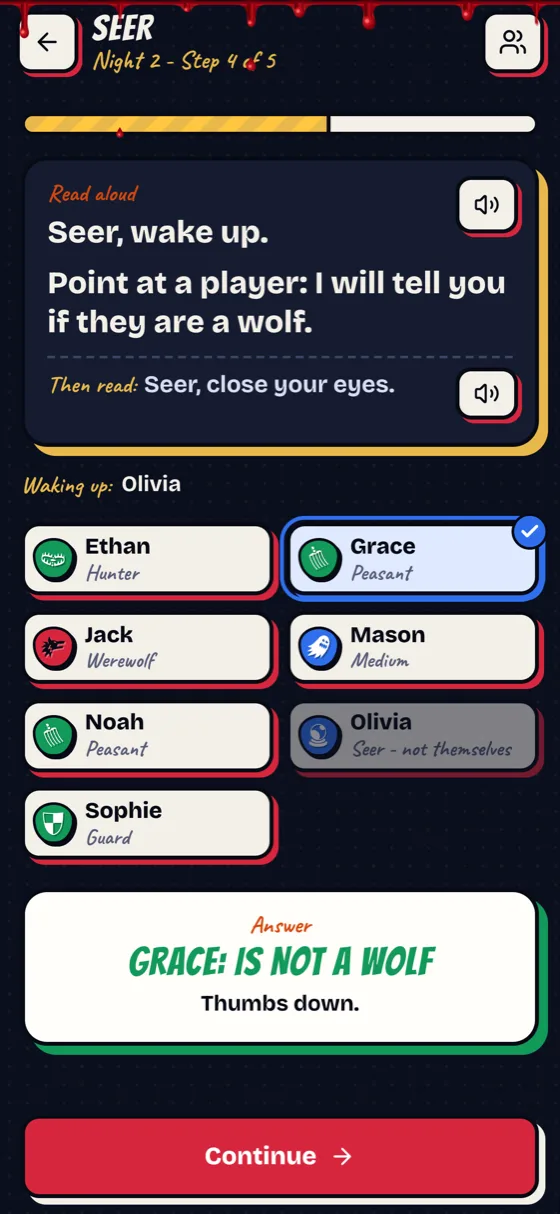
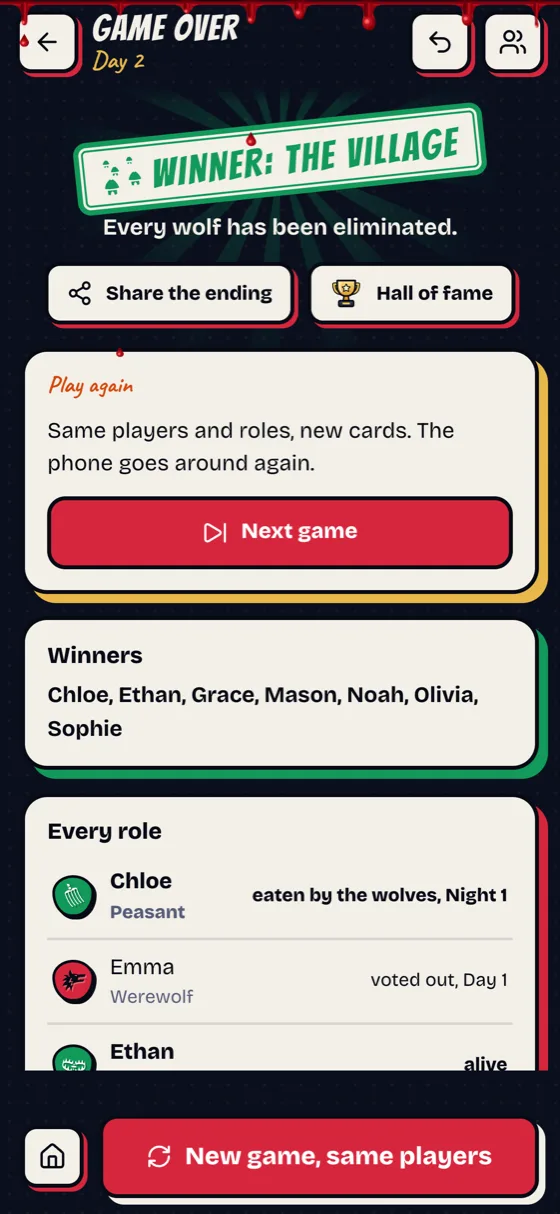
The narrator in your pocket for the party game of wolves, villagers and secret roles (Mafia, Werewolf, Lupus in Tabula), built from scratch: 39 characters, a guided night step by step that the phone can read aloud, and protections, deaths and wins worked out by the app. 100% offline, in 12 languages.

Phones talk to each other through sound, with no network. I designed a compact binary protocol (a hash of the game's identity, idempotent sequence numbers, bit masks, CRC8) that travels on a near-ultrasonic audio modem (ggwave): at dawn the narrator's phone updates every player's phone with no internet, Wi⁠-⁠Fi or Bluetooth. A tablet or TV can show the table, and players without the app see their role in the browser.

Underneath, an event-sourced rules engine: the game is a replay of the narrator's choices, so every step can be undone, and the rules are checked by playing whole games automatically. The role setups it proposes are balanced the same way. No server at all.

By sound
phone-to-phone updates, no network
39
characters
0
servers needed
  • iOS
  • Android
  • Audio modem (ggwave)
  • Binary protocol
  • Event sourcing
  • Offline multiplayer
  • Text-to-speech
5Active · ★ 21

Open source · Community tool

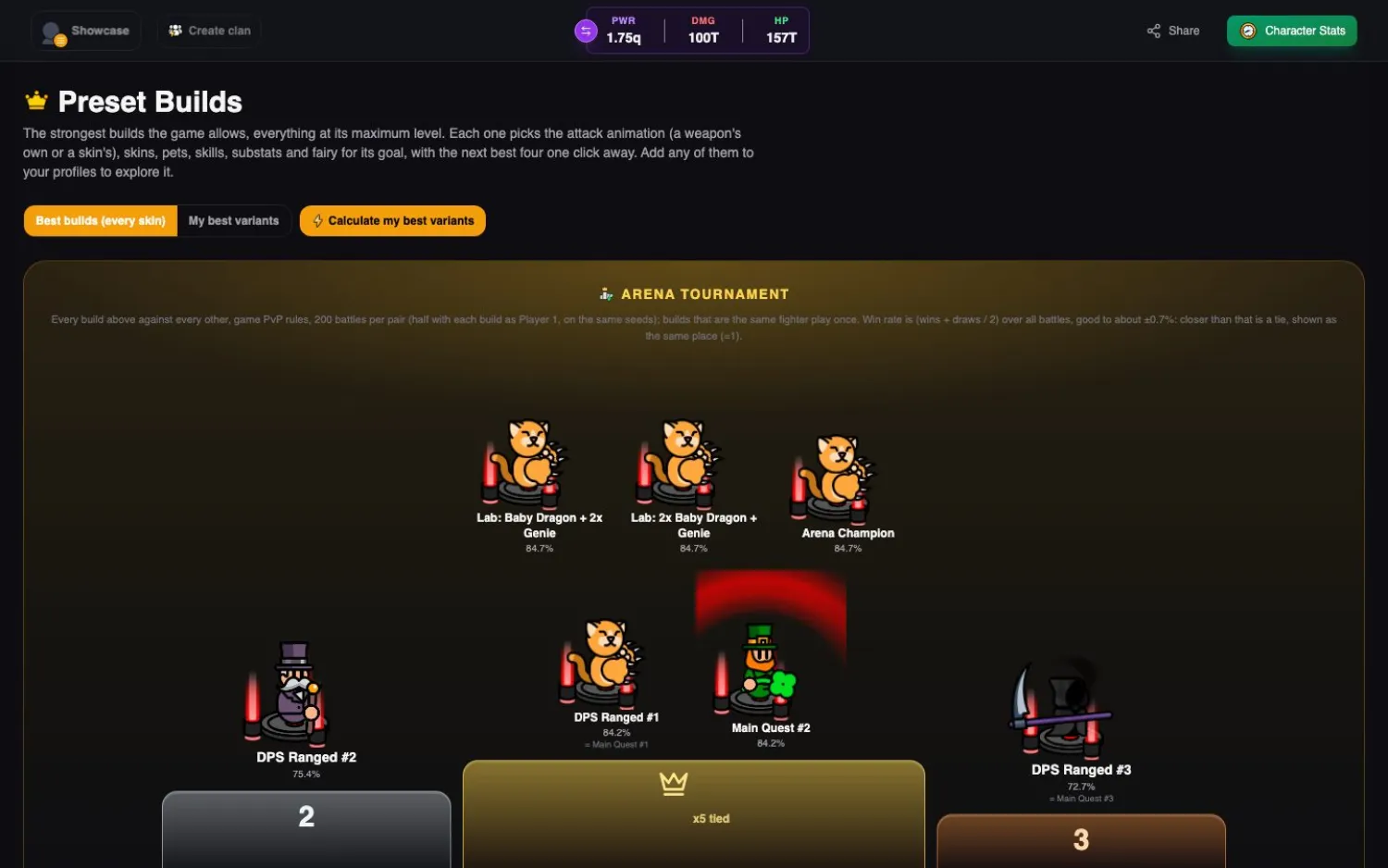
Forge Master Calculator & Wiki

The companion the Forge Master community plans its builds with: simulate every battle, compare setups, look up anything in the game. Built and maintained for the players, who send bug reports, game data and pull requests back.

Nothing in it is a guess, and nothing is typed in by hand. Every time the game ships a new version, the app updates itself: the new config files are parsed and every calculator, simulator and wiki page follows, 29 versions so far. Battles run on a combat engine rebuilt from the game's compiled code: timings, collisions, skills, projectiles and damage formulas. Searches run in web workers, and screenshots are read on-device with Tesseract and an ONNX model.

29
game versions followed automatically
1 engine
for quests, dungeons and PvP
16 forks
from the community
  • React
  • TypeScript
  • Vite
  • Web Workers
  • ONNX
  • Reverse engineering
6Done · ★ 66

Open source · Computer vision

Card Scanner

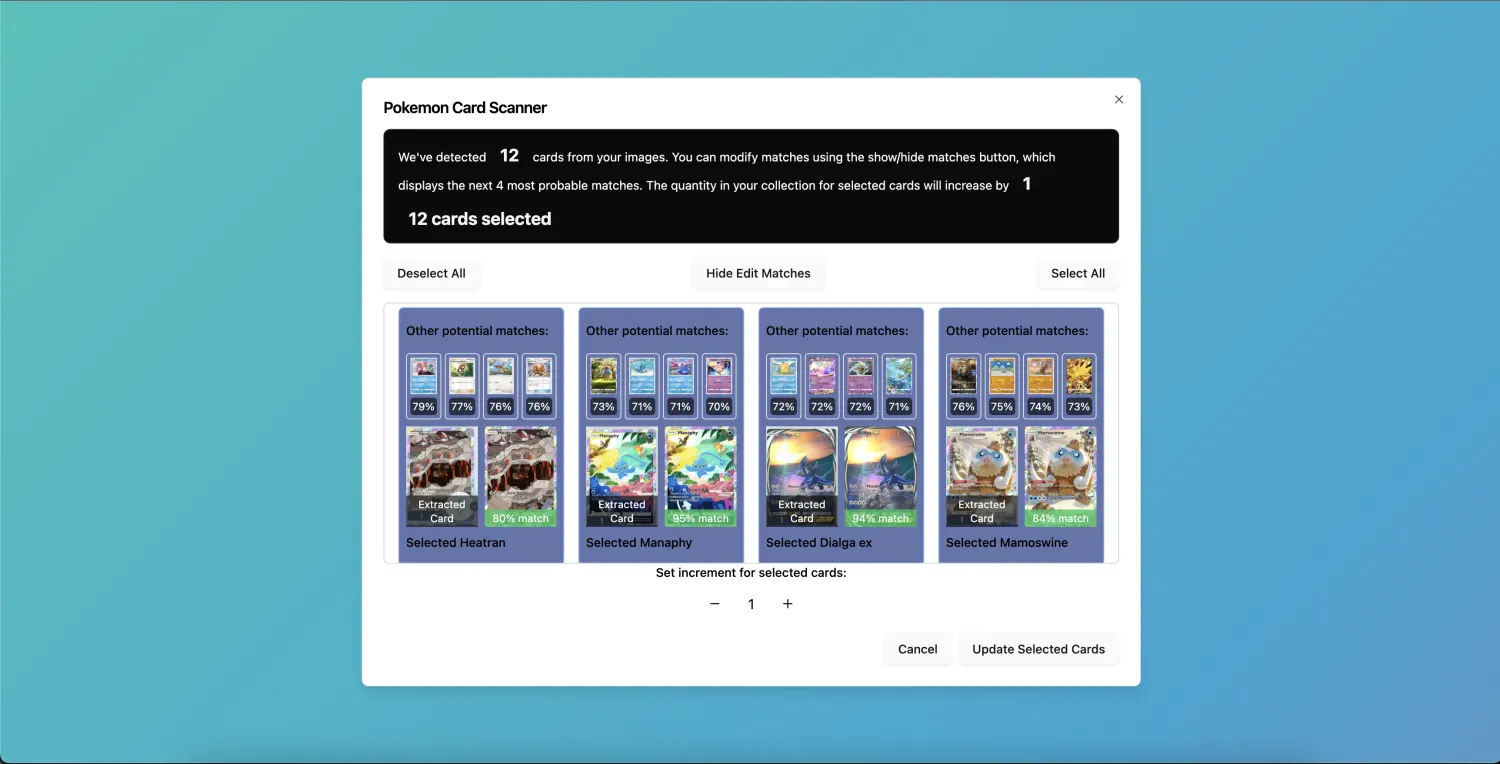
The idea: the model only finds the cards, it never learns them. An OBB detection model locates each card's shape in the image, and a perceptual hash matches the crop against the card database. A new set only needs its pictures in the database: no retraining. It all runs client-side, in under 10 MB.

It became the core scanner of the popular open-source TCG Pocket Collection Tracker (★ 160+), and it kept travelling: developers of other apps have written to tell me they built the same solution into theirs.

< 10 MB
all in the browser
0
retraining for new sets
  • Computer vision
  • OBB model
  • Client-side AI
  • TypeScript
7Work in progress

Source-available · Emulation

Vetro

The goal: a complete ARM64 Android system emulated inside a browser tab, with an analysis layer that sees everything apps do from the outside. No install, no root, no server.

It runs Android today. Open the page in Chrome or Edge and the project's own AOSP 15 build with microG reaches its home screen from a prebuilt snapshot; you can install an APK by dragging it onto the page, and an app opens and reacts to touch. Underneath is an AArch64 CPU emulator in Rust compiled to WebAssembly, with a block JIT that emits WASM, checked against QEMU instruction by instruction: Linux 6.18 boots with a log identical to QEMU's and the LTP syscall tests match qemu-aarch64 in CI.

Now in progress: the analysis layer. A network inspector and a timeline that ties each request to the tap that caused it, real internet through a small companion app on your own computer, a live file manager for app data, and record & replay down to a single instruction.

  • Rust
  • WebAssembly
  • AArch64
  • JIT
  • AOSP
  • Linux kernel
8Done

Open source · Capacitor plugin

EGNSS Capacitor

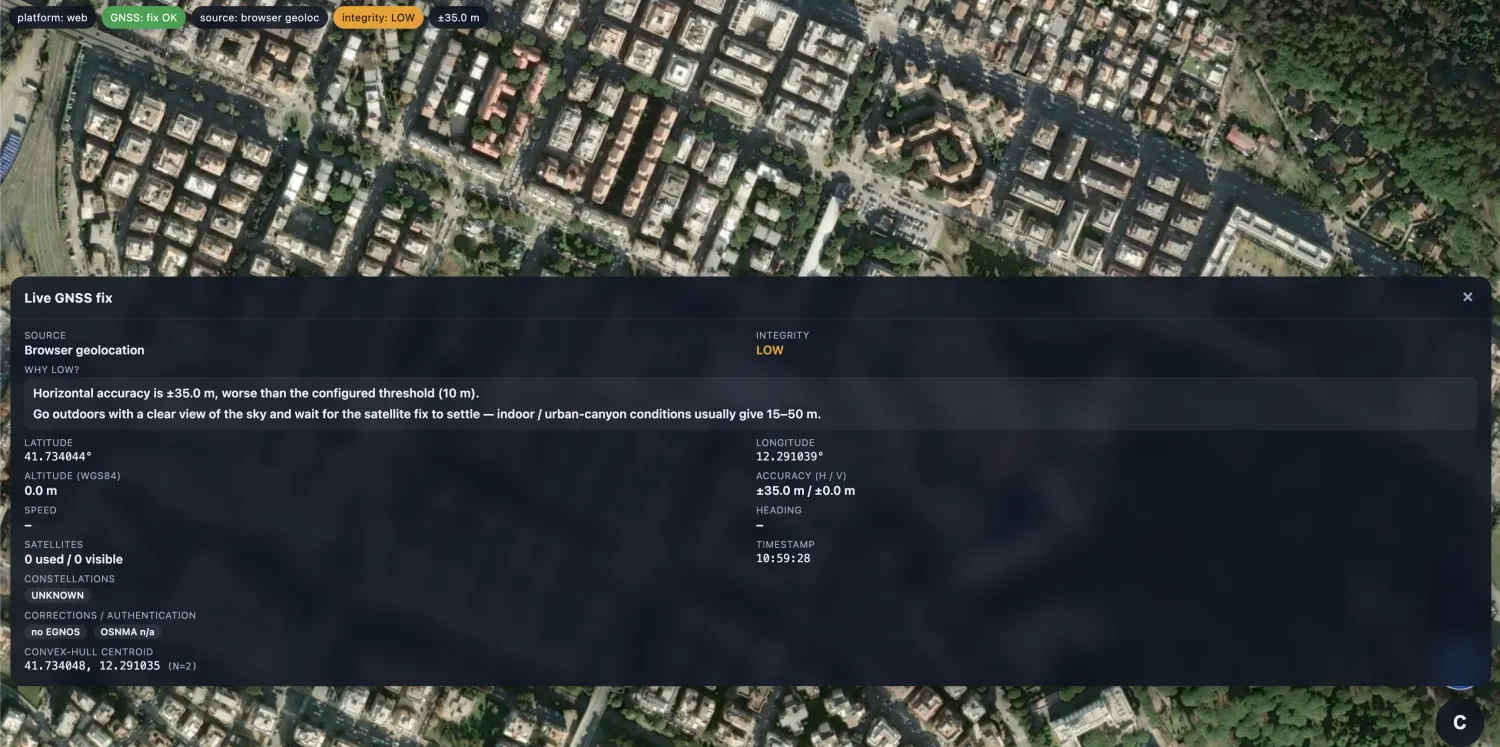
For apps where the position is evidence, not just a blue dot. A phone's location can be several metres off, and it can be spoofed. This plugin gives a Capacitor app one JavaScript API, identical on Android, iOS and Chromium browsers, that says where you are, where the fix came from and how far you can trust it.

From 5 metres to 1 centimetre. On its own a phone is good to about 5 m under open sky. The plugin builds on EGNSS4ALL, the EU's open-source app for geotagged photos in agriculture: it adds Galileo's OSNMA (signals authenticated as really coming from the satellites), EGNOS corrections, which bring a receiver to about 1 m, and EGNSS4ALL's convex-hull averaging to steady the fix. And when that is not enough it reads an external Bluetooth antenna instead: with an RTK receiver such as a u-blox ZED⁠-⁠F9P the same API returns fixes at about 1 cm.

Every fix carries its source, an integrityLevel and the OSNMA status, so the app never branches on the platform. It comes with a demo app: an OpenLayers map on satellite imagery, antenna pairing, and tap to take a geotagged photo.

5 m → 1 cm
phone alone vs RTK antenna
1 API
Android, iOS and web
4
trust levels on every fix
  • Capacitor
  • GNSS
  • Galileo OSNMA
  • EGNOS
  • Bluetooth LE
  • OpenLayers
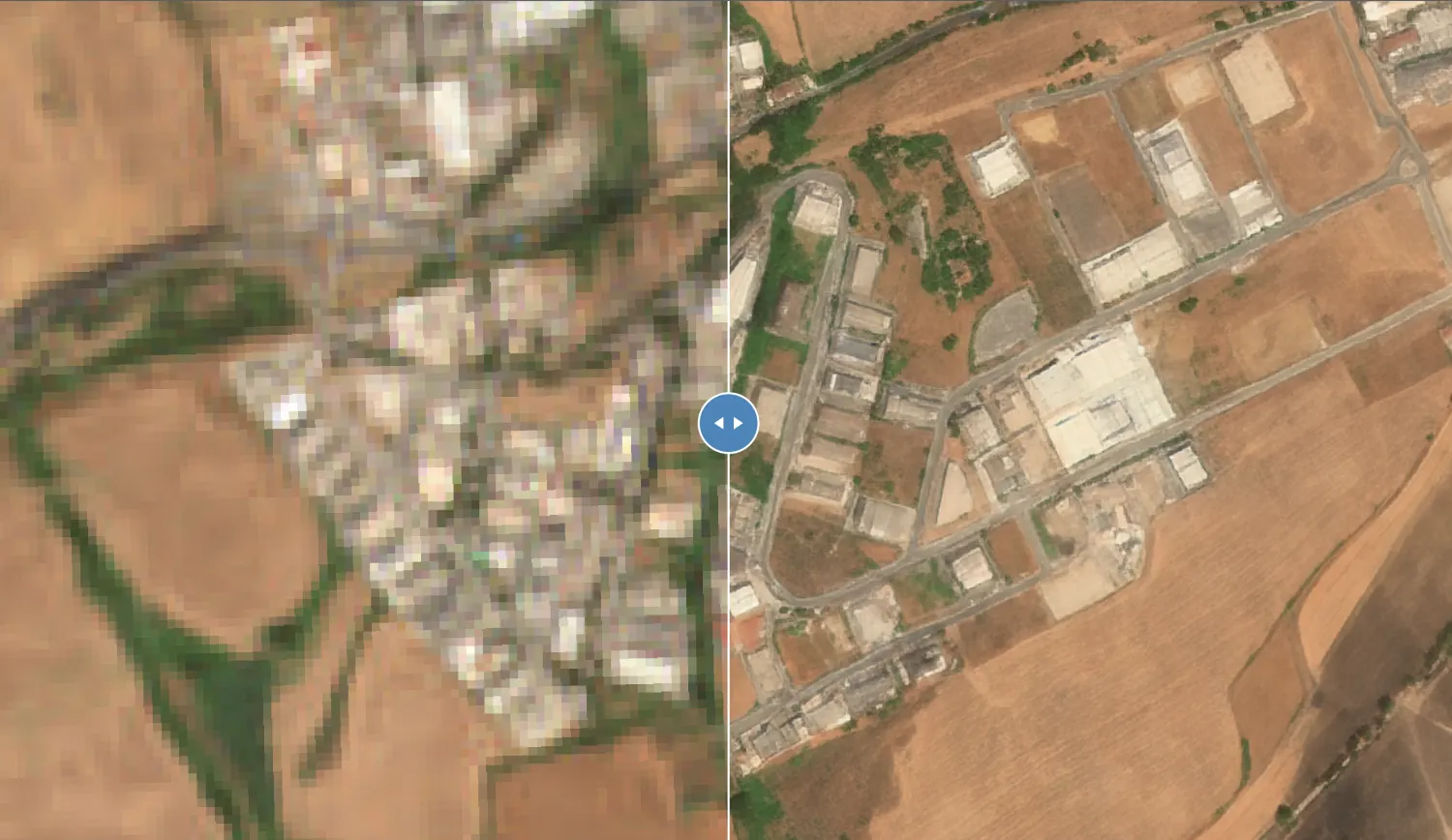
Satellite image before and after AI super-resolution
9Done

At work · Satellite imagery

AI Sentinel Image Pipeline

Fresh satellite imagery every month, instead of every three years. A pipeline on Google Cloud Vertex AI selects the best Sentinel⁠-⁠2 scenes each month and upscales them from 10 m to 1 m with a super-resolution model. I found the approach and built the pipeline around it.

The alternative was a 30 cm orthophoto: about €4M, renewed once every three years. Over the same three years the pipeline delivers 36 updates for about €18k (about €500 a month). A 1 m image does not replace 30 cm for fine parcel boundaries, but crops change every season, and a monthly picture shows what is in a field today.

Monthly
updates, not every three years
10 m → 1 m
ground resolution
€18k vs €4M
36 monthly updates vs one orthophoto, over three years
  • AI super-resolution
  • Google Vertex AI
  • Sentinel-2
  • Python
Vinitaly 2026 map of Italian agricultural parcels
10Live

At work · Geospatial

Vinitaly 2026

A web application made for Vinitaly 2026, which I developed independently.

It uses PMTiles to visualise an enormous geospatial dataset, rendering every agricultural plot of land across Italy with high performance.

  • Geospatial
  • PMTiles
  • React

More from the workshop

Notex

Progressive web app

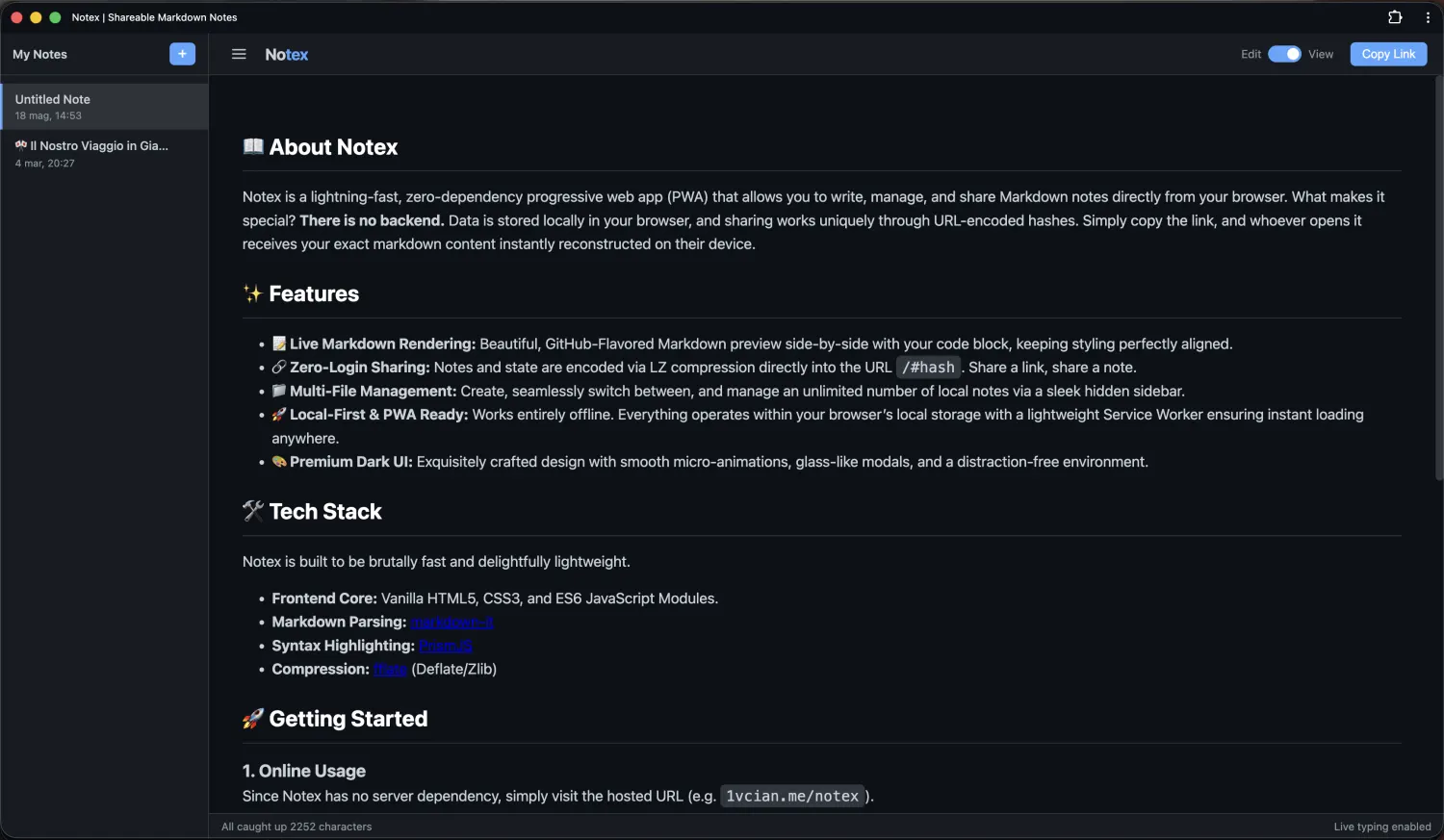
A zero-dependency PWA Markdown editor. Notes live locally and are shared with no login: the compressed note is encoded straight into the link.

  • PWA
  • Markdown-it
  • Deflate

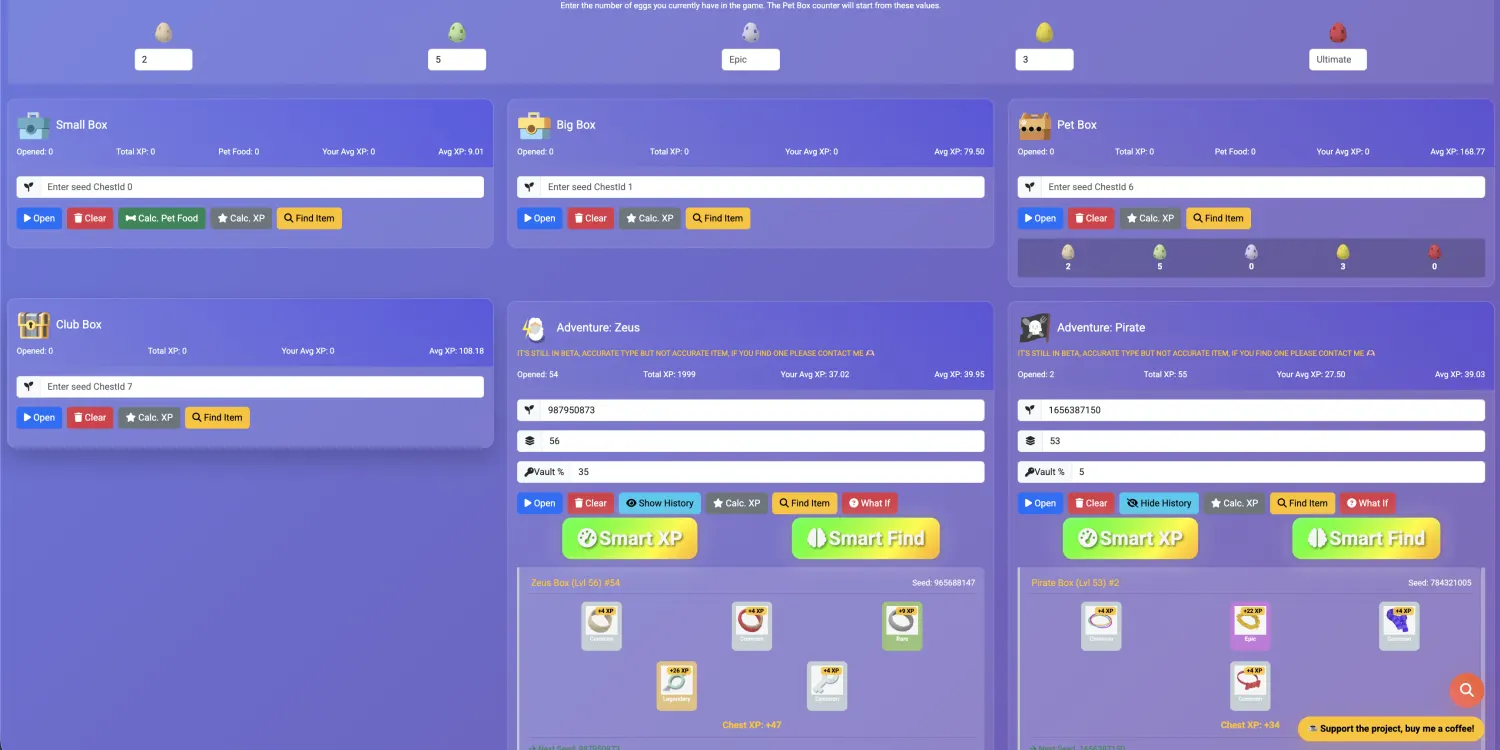
Eatventure Loot Predictor

Reverse engineering

The game's Unity random number generator rebuilt in JavaScript, then searched with optimised DFS: for a game with 10M+ installs, the shortest path to any high-tier item, in fewer than 5 chests instead of about 200.

  • RNG
  • DFS
  • Game tool

Amazon Prismatic Bot

Telegram automation

A Node.js bot that watches Amazon listings for Pokémon TCG Prismatic Evolutions and alerts subscribers the moment something is listed, repriced or back in stock.

  • Node.js
  • Telegram API
  • Jina AI Reader

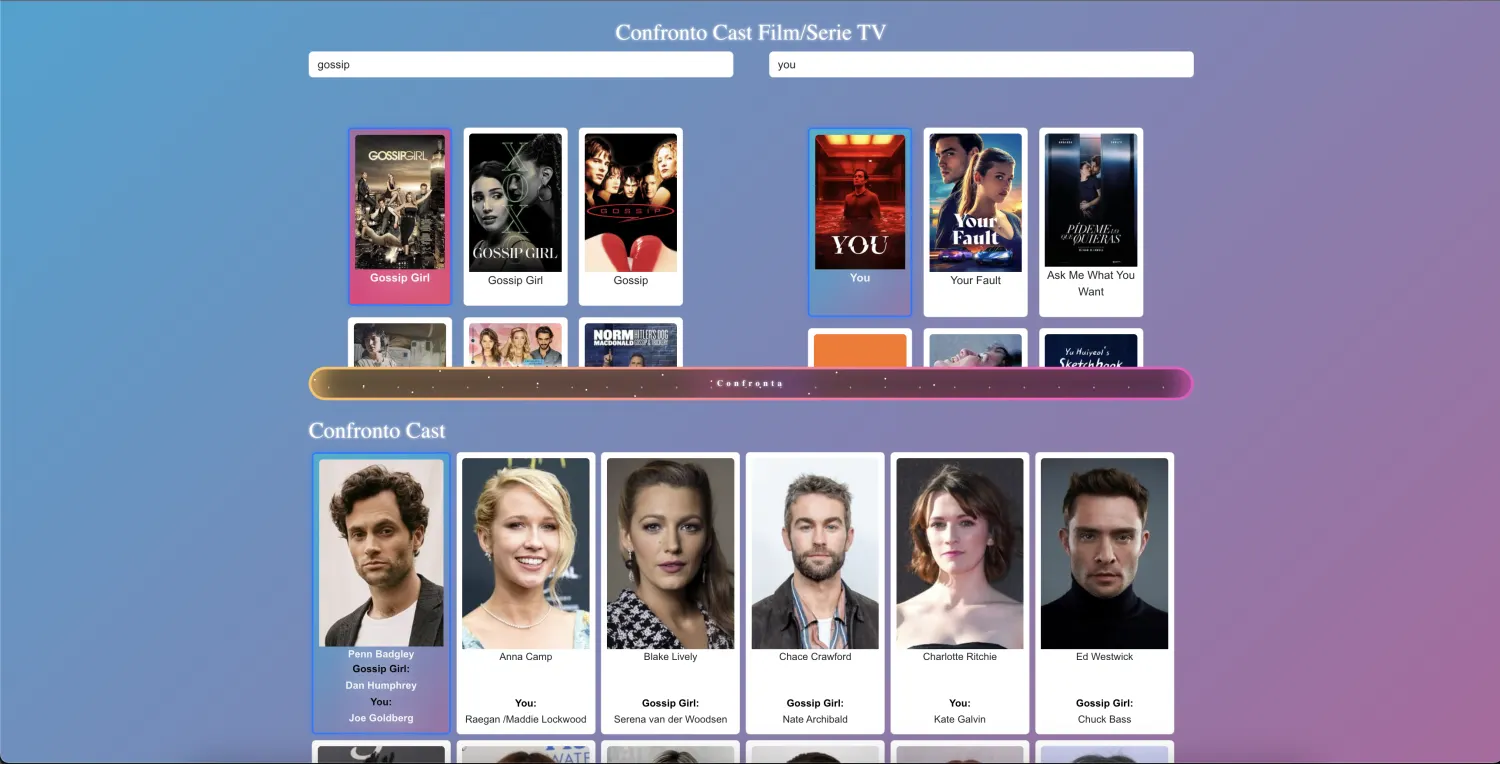
Common Cast

Web app

Finds the actors two movies or shows have in common, for every time a face looks familiar and you can't place it.

  • React
  • API

OpenLayers Webapps

At work · GIS

Full-stack applications that manage feature layers and attributes, with massive batch processing of geographic data.

  • GeoServer
  • Angular
  • SQL
  • GeoPandas
  • LLM
  • SAM

UniverCity

Google Workshop winner

A note-sharing platform for university students with intelligent ranking and automatic mashups of the best notes. Presented at Google's offices in Tel Aviv.

  • Flutter
  • Node.js
  • AWS

Smart House

Embedded

Home automation on an Arduino MEGA2560: 8 PWM outputs, 8 ADC inputs, a custom shell and SSH access from a phone.

  • Arduino
  • C
  • PWM
  • SSH

Hackappatoi

CTF team

Sapienza's ethical hacking team, which I co-founded. Reverse engineering, web exploitation and forensics in international CTFs, with write-ups of the best solves.

  • CTF
  • Reverse engineering
  • Web
  • Forensics

4the paperwork

One page, compiled from source.

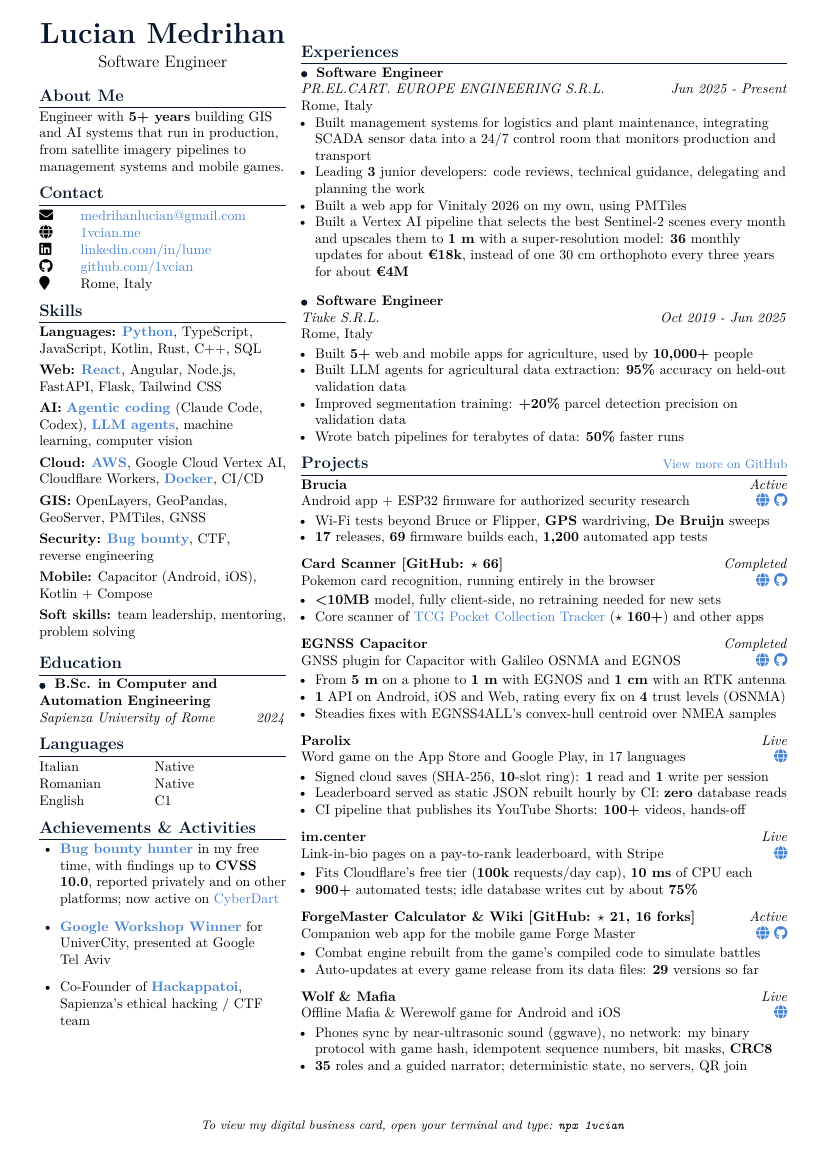
My CV is a LaTeX file in this site's repository. Every push recompiles it to PDF with GitHub Actions and publishes it here, so this link is always the current version.

Want the layout?

Take the template.

The same design with placeholder content: a single .tex file, two columns, one page, no custom class to install. Open it in Overleaf or compile it with pdflatex.

Field-tested: as a cold application with no referral, it got past the screening at Amazon and Google.

Preview of Lucian Medrihan's one-page résumé

5say hi

Let's build something together.

I'm always open to new opportunities. Whether you have a role, a question or just want to say hi, my inbox is open and I'll do my best to get back to you.

or get my card in your terminal
Lucian on im.center